

Understanding ADHD in Children — why their meltdown is always difficult?

Updated: Jul 30
Why Your Child Isn't "Just Not Listening"

"Why won't my child listen?"
"Why do they have such big meltdowns over small things?"
"Why can they focus on video games for hours but not five minutes of homework?"
If you've found yourself asking these questions, you're not alone. Actually, it's more common than you believe that many parents search for answers about ADHD meltdowns, ADHD tantrums, or why their children with ADHD can't pay attention, while they are able to spend half of the day on something they are interested. These daily struggles can leave both children and parents feeling exhausted, frustrated, and misunderstood. It's easy to assume that a child is being defiant or refusing to cooperate.
In reality, many behaviours associated with ADHD are not intentional. In fact, their behaviors and emotional expression reflect a brain that processes attention, emotions, and self-control differently. ADHD Children react in different ways.
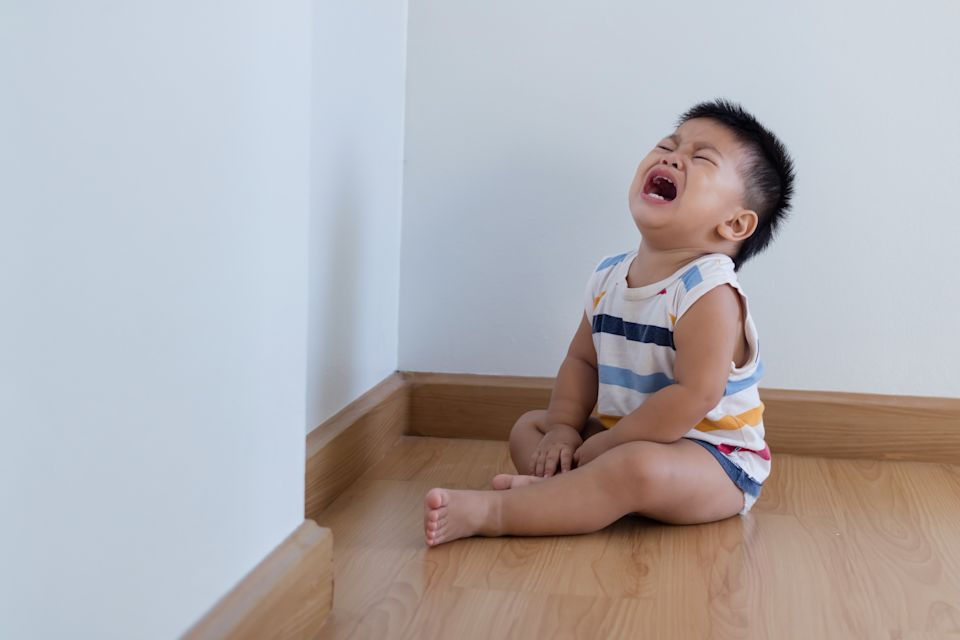
Understanding what is happening beneath your child's behaviour is often the first step toward helping them. Instead of asking "How do I stop this behaviour?" , we may better ask "What is my child experiencing?", we create opportunities for connection, learning, and growth.
ADHD Children Is More Than "Not Paying Attention"
One of the biggest misconceptions about ADHD is that children simply cannot pay attention.

With my over 10-year clinical counselling experiences with children and youth with ADHD, many children with ADHD can focus remarkably well—but usually on activities that are exciting, interesting, or immediately rewarding. They may spend hours building with online games, drawing, creating stories, or playing a favourite game, yet struggle to complete ten minutes of homework or remember to brush their teeth.
When parents are stressed out, they may believe that their child does this "on purpose" — "he must try to challenge me", "she must try to push boundaries." Sometimes they do, but also it doesn't mean they are choosing what to pay attention to.
It means their brain has difficulty regulating attention.
The ADHD brain is naturally drawn toward novelty, challenge, and immediate rewards. Everyday tasks that feel repetitive or less stimulating require much more mental effort than they do for most children.
But why "I have to repeat everything five times," "My child hears me, but nothing happens?"
It's about the ability, also known as working memory, is part of the brain's executive functioning system. When working memory is weaker, children may forget what they were doing within seconds, become distracted by something else, or start another activity before finishing the first one. This is why ADHD is not simply about paying attention.
It is about regulating attention, organising information, managing impulses, remembering instructions, and shifting smoothly between tasks.
Another common myth is that ADHD means "too much energy."

Physical movement is the major component of their emotional regulation.
While some children are physically active, others appear quiet, dreamy, or easily distracted. ADHD looks different from one child to another because every brain develops differently.
Most importantly, ADHD is not caused by poor parenting, laziness, or a lack of intelligence. Many children with ADHD are incredibly creative, imaginative, curious, empathetic, and full of ideas. They often notice possibilities that others miss and think outside conventional ways. Their challenges do not define their potential.
The key is to set them up for success.
That small change in perspective often transforms the way parents respond to everyday challenges.
Why Do ADHD Meltdowns Happen?
First of all, all of us — as a human being — we all experience "meltdown" at least once in our life, aint' we?
While some do believe that one of the most difficult experiences for families is managing an ADHD meltdown.
A child may seem perfectly fine one moment, then suddenly scream, cry, throw objects, or become completely overwhelmed after being asked to stop playing or complete a simple task. To many parents, these reactions appear out of proportion to the situation. However, an ADHD meltdown is often very different from a typical tantrum.
A tantrum is usually aimed at achieving something—another toy, more screen time, or getting their own way. A child may calm down once their goal is achieved or they realise it will not change the outcome.
An ADHD meltdown is usually not about control or manipulation.
Instead, it happens when the child's nervous system becomes overwhelmed.
Throughout the day, children with ADHD use tremendous mental energy trying to focus, control impulses, manage emotions, remember instructions, and meet expectations at school and home. Every disappointment, transition, sensory challenge, or stressful situation places another demand on their brain.
Eventually, even a small event can become the final trigger.
From a neuroscience perspective, this happens because the brain's emotional system temporarily takes over. The amygdala, which detects stress and danger, becomes highly activated, while the prefrontal cortex—the part of the brain responsible for thinking, planning, and self-control—becomes less effective.
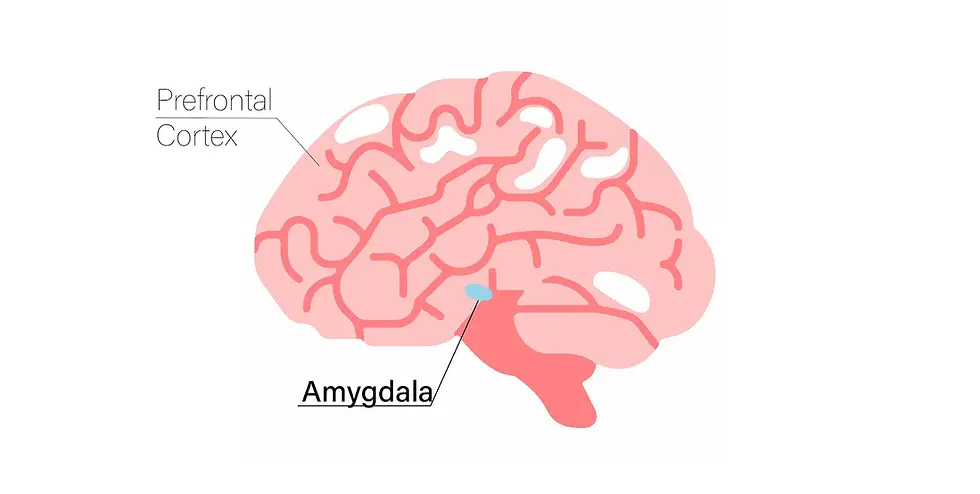
When this happens, children enter a fight, flight, or freeze response.
They are not calmly choosing their behaviour.
Their brain is struggling to regain a sense of safety.
This is why long explanations, lectures, or punishments during an ADHD meltdown often make the situation worse. When children are emotionally overwhelmed, they cannot easily process logic or solve problems. Before they can listen, they first need help feeling regulated.
Understanding this changes our role as parents.
Rather than asking,"How do I stop the meltdown?" We begin asking,
"How can I help my child's nervous system feel safe again?"
How Parents Can Help
Supporting a child with ADHD does not require being a perfect parent. It begins with understanding that your child's behaviour is often communicating a need rather than a choice.
1. YOUR NERVOUS SYSTEM MATTERS - You Stay Calm First!

Children learn emotional regulation through co-regulation. Your child borrows your calm before they develop their own. During an ADHD meltdown, try speaking softly, slowing your breathing, and offering your calm presence before giving instructions. A regulated adult helps a dysregulated child feel safe enough to return to thinking.
2. Protect Your Child's Self-Confidence

Children with ADHD often receive far more criticism than praise.
Comments such as,"You're lazy," "Why can't you just listen?" "You're always causing problems." may be spoken in frustration, but over time they become part of a child's identity. Instead of believing,"I have ADHD,"
many children begin believing,"I am the problem."
Try separating the child from the behaviour:
Replace judgment with curiosity. Start witt asking,"What made this difficult today?" Feeling understood helps children build resilience, confidence, and emotional security.
3. Seek Support Early

You do not have to navigate ADHD alone.
I have helped plenty of families with children with ADHD to navigate behavioral challenges. Child counseling in Burnaby in my clinic is dedicated to providing professional support that can help children better understand their emotions, strengthen emotional regulation, and develop healthy coping strategies. It can also help parents feel more confident responding to challenging behaviours at home.
Child counselling provides children with a safe environment to express emotions, build self-awareness, and practise new skills in developmentally appropriate ways. For younger children, therapeutic play can help them communicate experiences they may not yet have words to describe.
Parents benefit too. Parent counselling offers practical strategies for understanding the ADHD brain, improving communication, reducing conflict, and strengthening the parent-child relationship.
If you are looking for child counselling in Burnaby, working with a therapist who understands ADHD, attachment, and child development can provide support for the whole family.
Last but now least ... Looking Beyond the Behaviour
ADHD is not simply about paying attention.
It is about understanding a unique brain that experiences the world differently.
When we look beyond the behaviour, we begin to see a child who is trying their best with the skills they have at that moment. Rather than seeing defiance, we see emotional overwhelm. Rather than seeing laziness, we recognise a brain working harder to organise, focus, and regulate itself.
Every child deserves to feel understood before they are corrected.
Through patience, connection, and the right support, children with ADHD can develop confidence, emotional resilience, and the skills they need to thrive.
Sometimes, the most powerful question we can ask is no longer,"Why won't my child listen?" Instead, it becomes,"What is my child trying to tell me?"


Comments