

Child-Centered Play Therapy and Self-Acceptance: Helping Children Heal Through Play

Updated: Jun 18
In my clinical work with children and families, one of the popular questions from everyone is — "why does play work? They can get healed by "just playing?". In play therapy for children, it's not just "play", but it's communication, it's expression of needs.
According to Schema Therapy, one of the core emotional needs of all human beings is play and spontaneity.
Play is a science. It may be one of the most effective ways to signal to our nervous system that we are safe. It contributes significantly to our sense of emotional safety and well-being.

Play facilitates emotional regulation by engaging right-brain processes involved in emotional awareness, social connection, and self-expression. Play is the primary language for children, and children often experience emotions they cannot fully understand or put into words. When faced with anxiety, family changes, grief, trauma, or social challenges, they may struggle to communicate their feelings directly, because their left brain is not fully developed like adults yet. This is where child-centered play therapy can make a profound difference.

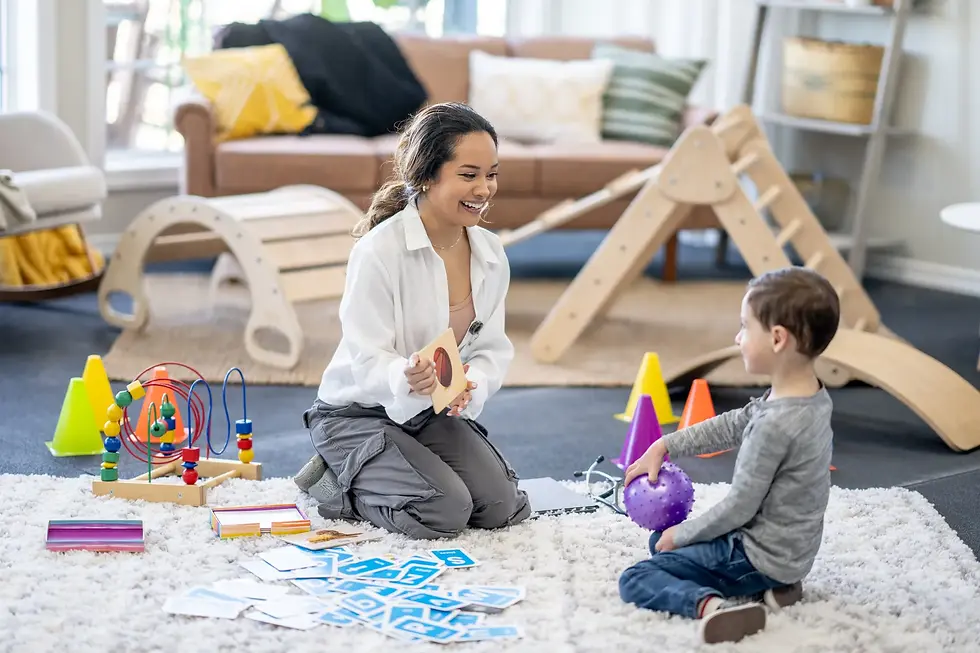
Child-centered play therapy provides a safe and supportive environment where the therapist follows the lead of the child, so the child can express themselves naturally and be truly themselves through play. With therapist's acceptance without judgment, the child learns to accept all sides of themselves, with a view to nurturing a comprehensive self with a high level of self-awareness, confidence, and positive self image.
How Do I Know If My Child Need Play Therapy?
Child-centered play therapy is an evidence-based therapeutic approach based on the belief that children have an innate capacity for growth, healing, and resilience. Instead of directing the child's activities, the therapist offers a presence that creates a safe space filled with carefully selected toys and materials that allow children to express their thoughts, feelings, and experiences.

In this environment, children are encouraged to explore their emotions following their internal compass, while the therapist provides empathy, compassion, understanding, and acceptance. Through this relationship with healthy boundaries, children learn to how to contain their emotions as if how the therapist does. They trust themselves, develop healthy coping skills, and gain confidence in their ability to navigate challenges.
Why It Is Important to Follow My Child's Leads?
One of the fundamental beliefs of play therapy for children is that children already possess the resources and capacities needed to solve their own problems. Clinical counsellors specializing in play therapy genuinely believe in the child's innate ability to heal and grow. Once a child feels truly accepted by a living real person, the child will naturally move toward greater emotional health, self-understanding, and resilience.
Many parents wonder how play therapy works when children appear to be "just playing." Yet, if we observe children closely, we often notice that their play reflects experiences, emotions, and relationships from their everyday lives. It's rare to see the child play "doctor-and-patience" pretend play if they have never seen a doctor in their life. Through play, children make sense of their world. They experience different roles, and work through challenges in a way that feels natural to them.
Play is the natural language of children, and part of the work in play therapy for children is to understand their language.
During sessions, children may use toys, art materials, sand trays, puppets, or imaginative play to communicate emotions that are difficult to express verbally. The therapist observes patterns, reflects emotions, and responds in ways that help children gain insight into their experiences.
As therapy progresses, children may often:
Learn to identify and express emotions more effectively
Develop problem-solving skills
Build emotional regulation abilities
Increase self-confidence and self-esteem
Strengthen relationships with family members and peers
Develop a stronger sense of self-acceptance
Rather than telling children what to do, child-centered play therapy empowers them to discover their own strengths and solutions.
Understanding Child Emotional Problems
Children may experience a variety of emotional and behavioral challenges that affect their daily functioning. Some common child emotional problems include:
Anxiety and excessive worry
Low self-esteem
Anger and emotional outbursts
Grief and loss
Family transitions such as divorce or separation
Social difficulties and peer conflicts
School-related stress
Trauma and adverse experiences
Because children often lack the vocabulary to explain their feelings, emotional distress may appear through behavior changes, withdrawal, aggression, sleep difficulties, or challenges at school.
Play therapy provides an age-appropriate way for children to process these experiences and develop healthier emotional responses.
The Connection Between Play Therapy and Self-Acceptance
One of the most powerful aspects of child-centered play therapy is its focus on unconditional acceptance.
Children often internalize messages that certain feelings or behaviors make them "bad" or "wrong." When they experience a therapeutic relationship built on empathy and acceptance, they begin to develop a more positive view of themselves.
Through consistent support, children learn:
Their feelings are valid and understandable
Mistakes do not define their worth
They can handle difficult emotions
They have strengths and capabilities
They are valued exactly as they are
This process fosters genuine self-acceptance, which is a foundation for emotional well-being throughout life.
Benefits of Play Therapy for Children
Research has shown that play therapy for child emotional problems can be highly effective in supporting children's mental health and development.
Some benefits include:
Improved Emotional Expression
Children learn to identify, understand, and communicate their feelings in healthy ways.
Increased Self-Confidence
As children experience success and autonomy within the playroom, their confidence often grows outside of therapy as well.
Better Emotional Regulation
Children develop skills to manage frustration, anxiety, sadness, and anger more effectively.
Stronger Relationships
Play therapy can improve communication and connection with parents, siblings, teachers, and peers.
Enhanced Resilience
Children gain coping strategies that help them navigate future challenges with greater confidence.
When Should Parents Consider Play Therapy?
Parents may wish to explore play therapy if their child is experiencing:
Frequent emotional outbursts, child tantrums, meltdowns
Persistent anxiety or fears with families and friends
Social withdrawal
Difficulty adjusting to major life changes including separation
Behavioral concerns at home or school
Grief or loss
Experiences of trauma
Low self-esteem
Early support can help prevent emotional difficulties from becoming more deeply entrenched and can promote healthier long-term development.
It's about Self-Expression.
Children communicate through play long before they can fully express themselves through words. Child-centered play therapy honors this natural form of communication and provides a nurturing space where healing can occur.
By fostering self-expression, emotional understanding, and self-acceptance, play therapy helps children build the resilience and confidence they need to thrive. Whether a child is facing anxiety, family changes, grief, or other emotional challenges, play therapy offers a compassionate pathway toward growth and well-being.
If you are concerned about your child's emotional health, seeking support from a qualified play therapist can be an important step toward helping them feel understood, accepted, and empowered.
We offer in-person play therapy in Burnaby, and the hours are flexible! If you are ready, book a free consultation to know more!
Comments